
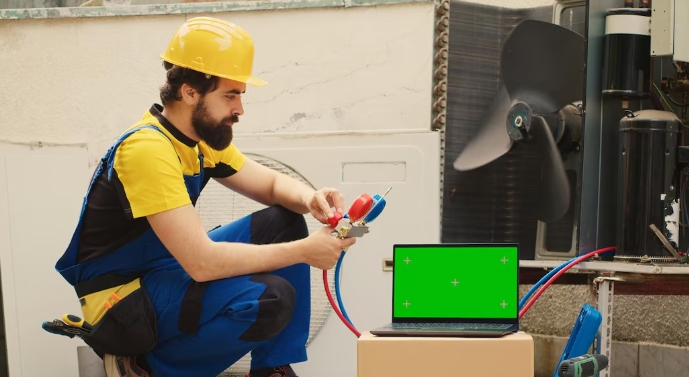
Buying your first home is exciting, overwhelming, and full of unexpected learning curves. Suddenly, you’re responsible for systems you may not have thought much about before such as plumbing, electrical, roofing, and especially heating and cooling.
While a home inspection covers the basics, it doesn’t always prepare new homeowners for what to watch over time. Having a simple checklist can help you stay ahead of issues before they turn into expensive repairs.
Understanding what keeps your home comfortable
Comfort inside a home is the result of several systems working together, often without drawing attention to themselves. Heating and cooling equipment quietly manages temperature and humidity, creating an environment that feels stable and predictable throughout the day.
Because these systems operate in the background, it’s easy to overlook them until something feels off.
Comfort is about more than temperature
A comfortable home isn’t defined by temperature alone. Airflow, humidity levels, and consistent circulation all contribute to how a space feels. When these elements are balanced, rooms feel comfortable without constant thermostat adjustments.
When balance is lost, discomfort often shows up gradually rather than all at once.
Small changes are early warning signs
Most system issues begin subtly. Slight temperature swings, longer run times, or rooms that don’t feel quite right are often the first indicators that something isn’t working as efficiently as it should.
Recognizing these early signs allows homeowners to address concerns before they develop into more serious problems.
Why awareness matters for homeowners
Understanding how your home normally feels makes it easier to notice when something changes. Familiarity with typical system behavior helps homeowners respond thoughtfully rather than react during an emergency.
This awareness supports better decision-making and helps prevent minor issues from turning into major disruptions.
Paying attention to airflow and temperature changes
Comfort issues often show up subtly before they become obvious. Uneven temperatures, weak airflow, or rooms that never seem to cool properly can indicate something isn’t working as efficiently as it should.
Uneven cooling throughout the home
If certain rooms feel warmer than others, it may signal airflow restrictions, duct issues, or equipment strain. These symptoms don’t always mean immediate failure, but they do suggest the system isn’t operating at peak efficiency.
Longer run times than expected
When a system runs longer than usual to reach the desired temperature, it’s often working harder than necessary. This can increase wear and energy usage over time.
Listening for unfamiliar sounds
Every heating and cooling system has a normal rhythm. Once you’ve lived in a home for a while, that background sound becomes familiar and easy to tune out.
That’s exactly why changes matter.
Knowing what “normal” sounds like
Most systems produce a steady hum when running, along with subtle airflow noise through vents. These sounds are consistent and predictable. When something changes, even slightly, it often signals that a component isn’t operating as smoothly as it should.
Becoming familiar with normal operation makes unusual noises easier to notice.
What unusual noises may indicate
New or sudden sounds can point to different types of issues. Rattling may suggest loose parts, buzzing can indicate electrical concerns, and grinding noises often signal internal wear. While these sounds don’t always mean immediate failure, they should never be ignored.
Unaddressed noises can allow small mechanical issues to worsen over time.
Why early attention makes a difference
Mechanical problems rarely resolve on their own. Addressing unusual sounds early can prevent additional stress on the system and reduce the risk of more extensive damage. Early attention often leads to simpler solutions and fewer disruptions.
Listening closely helps homeowners respond before comfort, efficiency, or reliability are significantly affected.
Watching for changes in energy usage
A sudden increase in utility bills without a change in usage habits can be a warning sign. When systems struggle to operate efficiently, they consume more energy to deliver the same level of comfort.
Monitoring monthly bills helps first-time homeowners recognize patterns and identify issues before they escalate.
Staying aware of humidity and air quality
Cooling systems do more than adjust temperature; they help manage humidity and air quality inside the home.
Excess humidity can make indoor spaces feel uncomfortable and encourage mold growth. Dust buildup, lingering odors, or stale air may also signal that airflow or filtration needs attention.
Simple maintenance habits that make a difference
Consistent maintenance plays a major role in system longevity and performance. Small habits can reduce strain and help systems operate more smoothly.
Helpful maintenance steps include:
- Replacing air filters regularly
- Keeping vents clear of obstructions
- Scheduling periodic system checkups
- Monitoring thermostat performance
- Noticing changes in noise or airflow
These simple actions can extend the life of your system and reduce unexpected breakdowns.
Knowing when to take concerns seriously
Not every issue requires immediate attention, but some signs shouldn’t be ignored. Persistent comfort problems, unusual noises, or repeated system cycling may indicate deeper concerns.
When problems persist, addressing them early through air conditioning repair can help prevent more extensive damage and reduce long-term costs. Early intervention is often less disruptive and more cost-effective than waiting for a complete system failure.
Planning ahead instead of reacting
First-time homeowners benefit from shifting from a reactive mindset to a proactive one. Learning how your home systems behave under normal conditions makes it easier to recognize when something changes.
Over time, this awareness helps homeowners plan maintenance, budget more accurately, and avoid emergency repairs.
Building confidence as a homeowner
Owning a home comes with a learning curve, but understanding the basics goes a long way. Paying attention to comfort, airflow, sounds, and energy usage gives you valuable insight into how your home operates.
When homeowners stay informed and address concerns promptly, air conditioning repair becomes part of responsible homeownership rather than an unexpected crisis. With the right awareness and habits, first-time homeowners can enjoy greater comfort, confidence, and peace of mind.


