
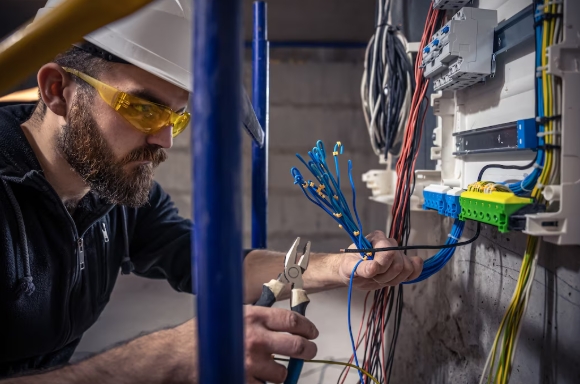
Many homeowners don’t think much about their electrical system until something stops working. Lights turn on, outlets power devices, and everything seems fine, until it isn’t. Unlike more visible parts of a home, electrical systems often show subtle signs before problems become serious.
Understanding what to watch for can help homeowners address concerns early and avoid safety risks or unexpected disruptions.
Why do electrical systems age over time
Electrical systems aren’t designed to last forever. As homes age, the demands placed on wiring, outlets, and panels often increase. New appliances, electronics, and smart devices draw more power than older systems were originally built to handle.
Over time, wear, outdated components, and increased usage can strain the system and reduce reliability.
Flickering or dimming lights
Lights that flicker or dim occasionally may not seem like a major concern, but they can signal underlying electrical issues.
What flickering may indicate
Inconsistent lighting can point to loose wiring, overloaded circuits, or aging connections. While the issue may start small, it can worsen if left unaddressed.
When dimming becomes a concern
If the lights dim when appliances turn on, it may indicate that circuits are struggling to handle demand. This is often a sign that updates are needed to support modern electrical usage.
Outlets and switches that feel warm
Outlets and switches should never feel warm to the touch. Heat is often a sign that electricity isn’t flowing safely.
Why warmth matters
Warmth can indicate loose connections, damaged wiring, or overloaded circuits. These conditions increase the risk of electrical failure and should be taken seriously.
Ignoring warmth around outlets can allow problems to escalate behind walls where they’re harder to detect.
Frequent breaker trips or blown fuses
Circuit breakers are designed to protect your home by shutting off power when circuits are overloaded. Occasional trips happen, but frequent ones are a red flag.
What do repeated trips suggest
Regular breaker trips often mean circuits are overloaded or wiring is outdated. Resetting breakers repeatedly without addressing the cause can place ongoing stress on the system.
Persistent issues may indicate the need for updates to support current electrical demands.
Outdated or insufficient outlets
Older homes often lack the number or type of outlets needed for today’s devices. This can lead to overuse of extension cords or power strips.
Why does this create risk
Extension cords are meant for temporary use, not permanent solutions. Relying on them regularly can overload circuits and increase fire risk.
Upgrading outlets helps distribute electrical load more safely throughout the home.
Warning signs homeowners shouldn’t ignore
Electrical issues don’t always announce themselves loudly. Paying attention to smaller changes can prevent larger problems.
Common warning signs include:
- Buzzing sounds from outlets or switches
- Burning or unusual odors
- Discolored outlets or switch plates
- Outlets that stop working intermittently
- Shocks when plugging in devices
These signs often indicate deeper issues that need attention.
How electrical updates support safety and comfort
Updated electrical systems provide more than just reliability; they support safety and everyday comfort.
Reducing fire risk
Outdated wiring and overloaded circuits are common causes of electrical fires. Updating components helps reduce risk and improve overall safety.
Supporting modern living
Modern households rely on multiple devices, appliances, and systems. Updated electrical work ensures your home can handle those demands without constant interruptions.
This is where thoughtful residential electrical services play a key role in maintaining a safe and functional home.
Planning for long-term performance
Electrical updates aren’t just about fixing problems; they’re about preparing your home for the future. Proactive updates help ensure the system can support changing needs without repeated issues.
Addressing concerns early often leads to smoother performance, fewer disruptions, and greater peace of mind.
Knowing when it’s time to act
If your home shows multiple warning signs or struggles to support everyday electrical needs, it may be time to take a closer look. Electrical systems are foundational to safety, comfort, and daily function.
Staying aware of how your system behaves helps homeowners respond thoughtfully rather than react during emergencies. When handled proactively, residential electrical services become part of responsible home care rather than a response to a crisis.


