
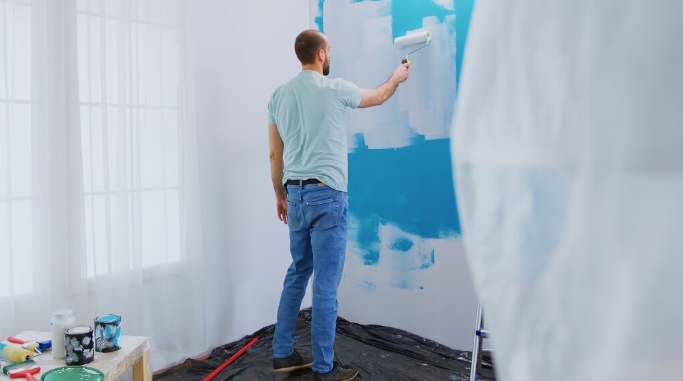
Buildings that serve the public experience a different level of wear compared to private homes. Offices, schools, retail stores, healthcare facilities, restaurants, and warehouses all have one thing in common: people constantly moving through them. Over time, walls collect scuff marks, colors fade, and surfaces start to look worn long before the building itself begins to age.
Maintaining these environments requires more than routine cleaning. In many cases, professional commercial painting plays an important role in preserving both the appearance and functionality of high-traffic spaces.
A well-maintained building communicates professionalism, cleanliness, and attention to detail. These impressions matter whether a company is welcoming customers, clients, patients, or employees.
The Hidden Impact of Heavy Foot Traffic
High-traffic areas tend to deteriorate quickly because of the constant movement of people, equipment, and furniture. Even the most durable surfaces eventually show signs of repeated use.
Common signs of wear include:
- Scuff marks from shoes and carts
- Fingerprints and handprints near doors and hallways
- Chips and scratches caused by equipment or furniture
- Discoloration from cleaning chemicals and sunlight
- Peeling paint caused by moisture or humidity
Over time, these small issues can combine to create a space that feels neglected or outdated. While structural repairs may not be necessary, cosmetic maintenance such as repainting can make a dramatic difference.
Why Paint Is More Than Just Decoration
Paint does far more than add color to a building. In busy environments, it acts as a protective barrier that shields surfaces from damage.
High-quality coatings help protect against:
- Moisture penetration
- Mold and mildew growth
- Dirt buildup
- Surface deterioration
- Everyday scuffs and abrasion
When commercial buildings receive regular repainting as part of their maintenance schedule, the lifespan of walls and surfaces can be extended significantly. This helps prevent larger repair costs later.
Improving Cleanliness and Hygiene
In environments where cleanliness is critical, such as medical facilities, schools, and restaurants, paint can contribute to maintaining a sanitary environment.
Modern commercial coatings are designed to resist stains and allow for frequent cleaning without degrading the surface. Some specialized paints are even formulated to resist bacteria and mold growth.
These benefits allow maintenance teams to clean walls more effectively without worrying about damaging the paint or exposing the underlying surface.
For businesses that rely on maintaining strict health and safety standards, the condition of walls and surfaces plays a larger role than many people realize.
Creating a Positive First Impression
The appearance of a building can influence how visitors perceive an organization. When walls are faded, chipped, or stained, the space can feel neglected even if the rest of the facility is well-maintained.
Fresh paint helps create an environment that feels:
- Professional
- Organized
- Clean
- Welcoming
- Well managed
For retail stores, restaurants, and offices that receive frequent visitors, appearance can directly affect customer confidence. A well-maintained space signals that the business pays attention to details and takes pride in its operations.
Protecting High-Use Areas
Certain parts of a building require more frequent attention than others. Entryways, corridors, stairwells, and waiting areas often experience the greatest amount of contact.
Professional painters often recommend more durable finishes in these spaces, such as higher-gloss coatings or specialized protective paints designed for heavy use.
Some strategies used to protect high-traffic areas include:
- Using washable paint finishes
- Applying protective coatings
- Installing accent walls that hide wear better
- Repainting high-contact areas on a regular schedule
- Choosing colors that minimize the appearance of scuffs
These approaches allow buildings to maintain a clean appearance even when they experience heavy daily use.
Minimizing Disruption During Maintenance
One challenge many businesses face is scheduling maintenance without interrupting daily operations. Painting projects must often be completed during evenings, weekends, or slower business periods.
Professional painters understand how to work efficiently in occupied buildings. Careful planning allows projects to move forward while minimizing disruption to employees, customers, or visitors.
Proper preparation, high-quality materials, and experienced crews help ensure that painting projects are completed quickly while still delivering long-lasting results.
A Simple Way to Extend the Life of a Building
Routine maintenance is one of the most effective ways to protect a commercial property investment. While mechanical systems and structural components often receive the most attention, maintaining the building’s surfaces is equally important.
Regular repainting helps prevent small cosmetic issues from turning into larger problems. It also allows businesses to refresh their environment and maintain a professional atmosphere for everyone who enters the building.
For facilities that experience heavy daily traffic, investing in periodic commercial painting services can be a practical way to keep spaces looking clean, durable, and welcoming year after year.


